The cuisine
Chinese cooking, held to a finer standard
Yu by Sijie serves Chinese cuisine prepared with fine-dining technique — hard fire where it belongs, patience where it is needed, and a plate that is composed rather than filled.
The signature
Peking duck
The dish we would put in front of you first — a whole duck roasted until the skin sets into a deep amber lacquer, then carved and served with warm pancakes.
The skin is the point: glossy, even, and cut so that every slice carries it. Around the platter come the pancakes in their bamboo steamer, cucumber and spring onion cut fine, toasted sesame and sweet bean sauce — and a row of one-bite canapés, each finished with caviar.
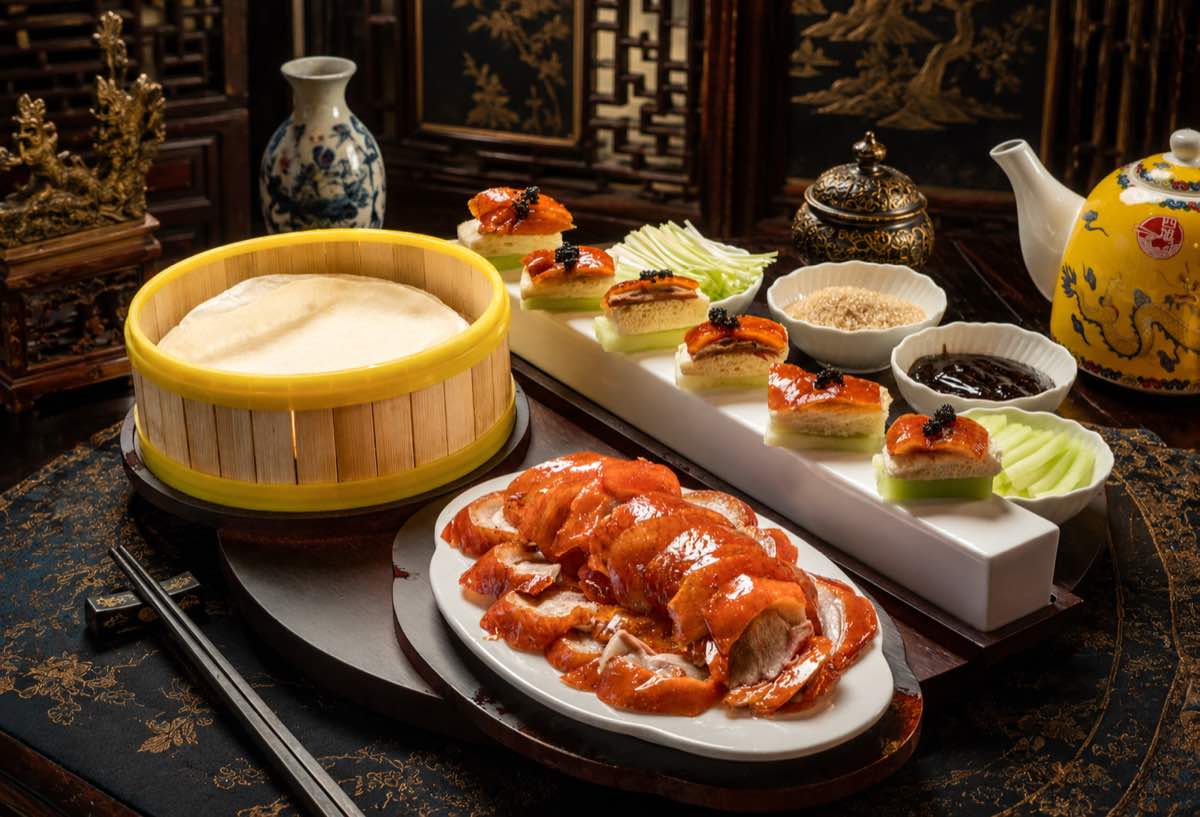
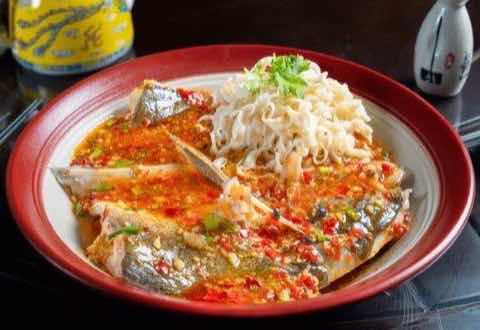
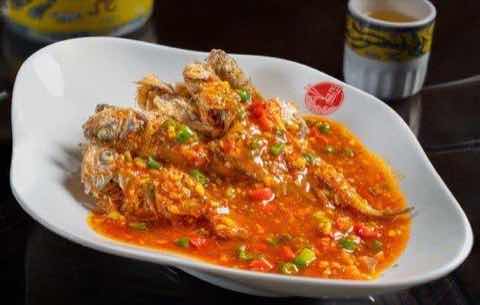
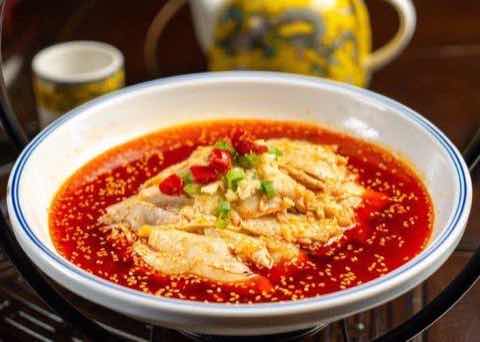
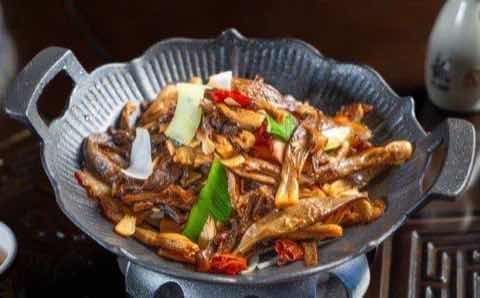
The pictures on this page are work from our kitchen. They are here to show how we cook and how we plate — not to stand in for a menu.
The full menu and pricing will be published here shortly. Dishes shown may or may not appear on it, and the selection changes with the season.
One
From the water
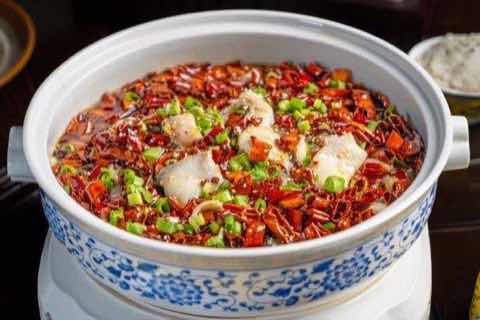
Seafood is the most unforgiving thing a Chinese kitchen cooks. There is a window of a few seconds where fish is set but still silken, and everything after that window is a lesser dish.
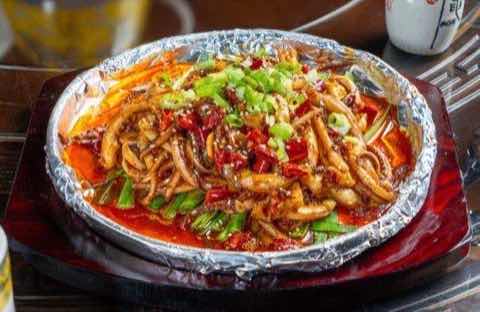
We buy for the day rather than the week, steam and poach to order, and build the chili oils and fermented pastes in-house so the heat arrives as flavour rather than noise.
Two
The wok, and the fire under it
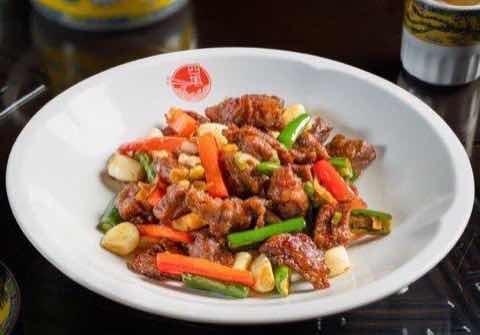
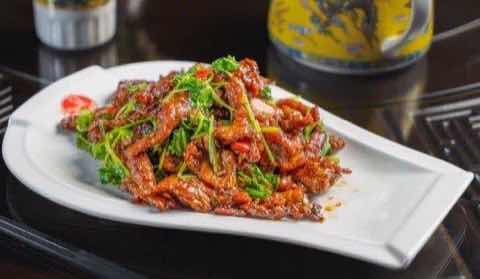
Wok hei — the faint smoky sweetness a wok leaves on food at full heat — cannot be added later. It is either there or it is not.
Getting it requires a burner that runs hotter than a domestic kitchen ever will, a cook who moves faster than seems reasonable, and the discipline to cook in small batches even when the room is full.
Three
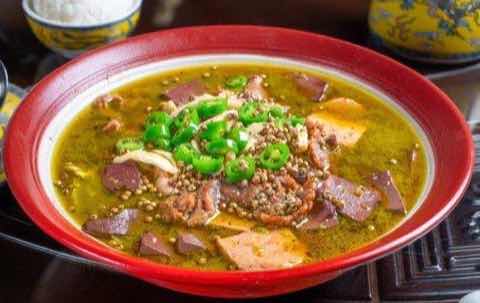
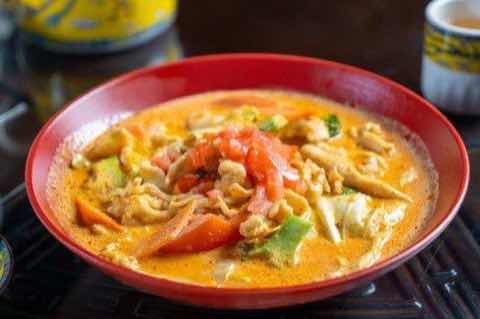
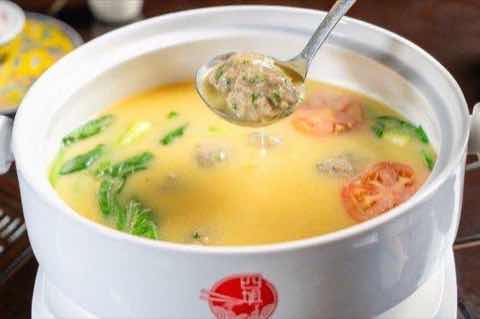
Broths built slowly
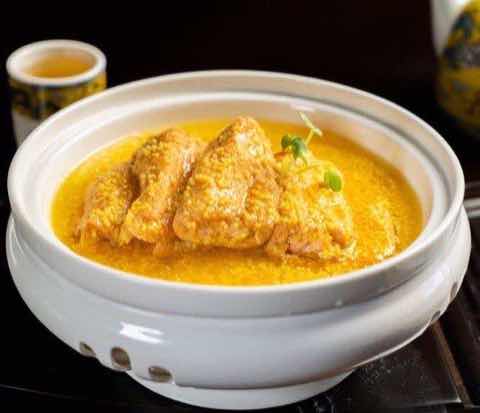
A good broth is a matter of hours, not of stock powder. It is the part of a Chinese kitchen that cannot be rushed and cannot be hidden.
Ours are started early, skimmed patiently, and seasoned at the end rather than the beginning — which is why they taste of the thing they were made from.
Four
Noodles, and the bowl that built the name
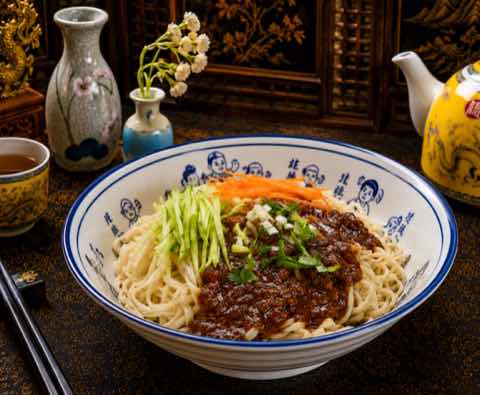
Before Yu there was Special Noodle, the Northern California brand Sijie built on one bowl done the same way every time. That work carries into this kitchen.
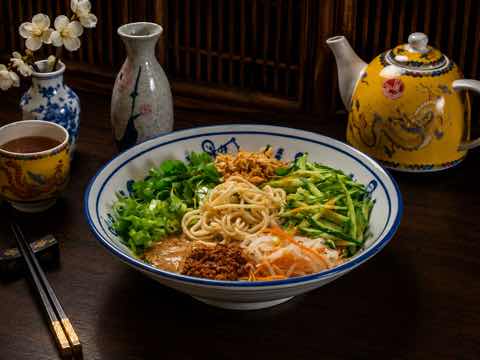
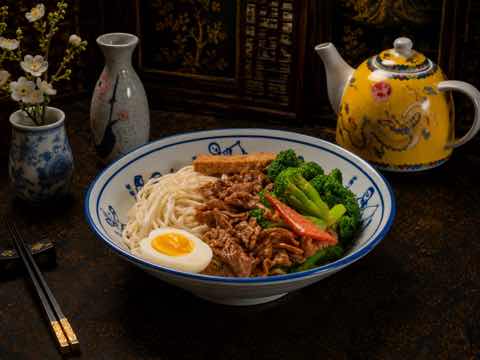
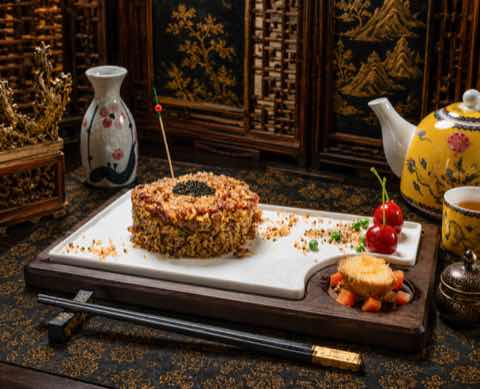
Special Noodle is not a hand-pulled noodle house. The name comes from the particular way the noodle itself is treated — a method Sijie worked out over years — and every bowl is cooked to order: dressed plainly when the sauce is the point, or built up with braised meat, greens and a soft egg. Rice is given the same attention: cooked hard and fast in a hot wok so the grains stay separate and take on the smoke of the pan.
Five
Small plates and dim sum
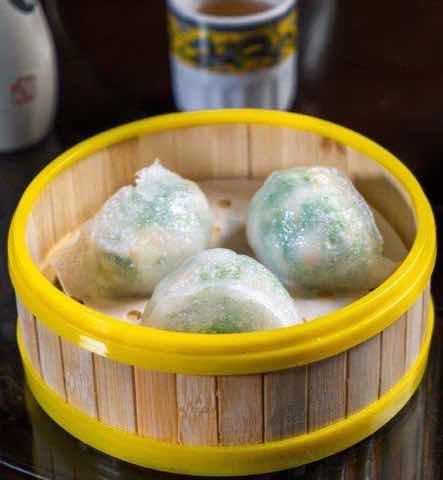
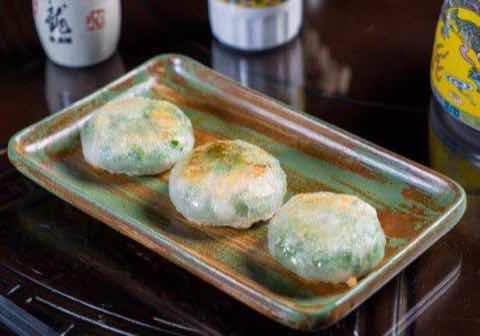
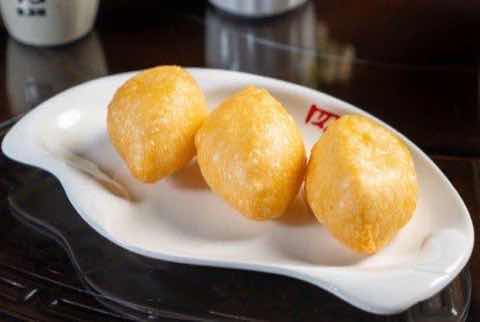
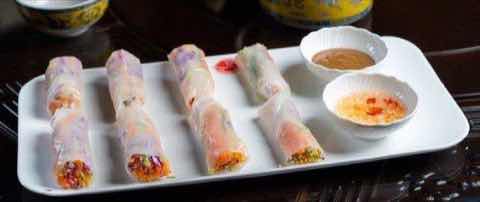
The small things are where a kitchen's patience shows. A dumpling wrapper is either thin enough or it is not, and there is nowhere for the fault to hide.
The dim sum is made by hand here in the restaurant. The soup dumplings, the pan-fried buns and the rest of the range are folded on site every day, in quantities that run out.
To finish
The last plate
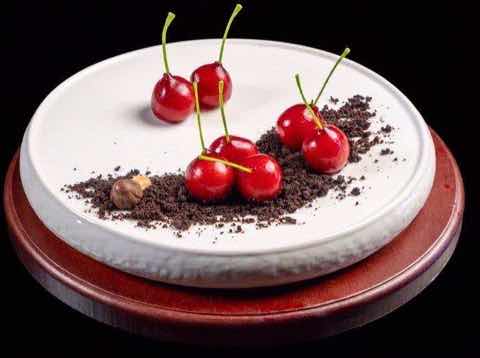
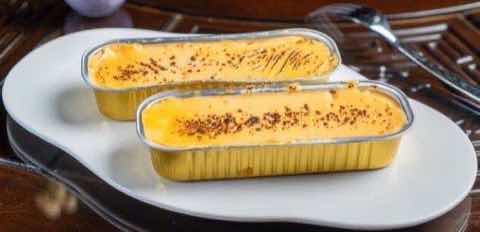
Dessert in a Chinese dining room is traditionally modest. We keep it that way — small, cold or warm, and over quickly enough that the evening ends on the food rather than on sugar.